Traveling Your Transformations
It is almost banal to say so, yet it needs to be stressed continually: all is creation, all is change, all is flux, all is metamorphosis.
–Henry Miller
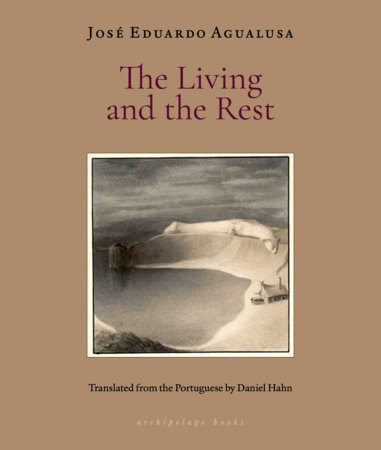
In José Eduardo Agualusa’s 2025 novel, The Living and the Rest, a group of African authors attending a literary conference on a tiny island off the coast of Mozambique are cut off from the rest of the world by a storm and so begin to dream up a world that might follow the one they suspect has ended. Characters from their books come to life and assist them in the rebirth of the world.
How reassuring to remember that rebirth is nothing new to our species. Our literature is full of incredible epics where immense obstacles are overcome and reality is reshaped. Also, as readers, it’s good to hear an author who is so confident in the power of literature to lead the way.

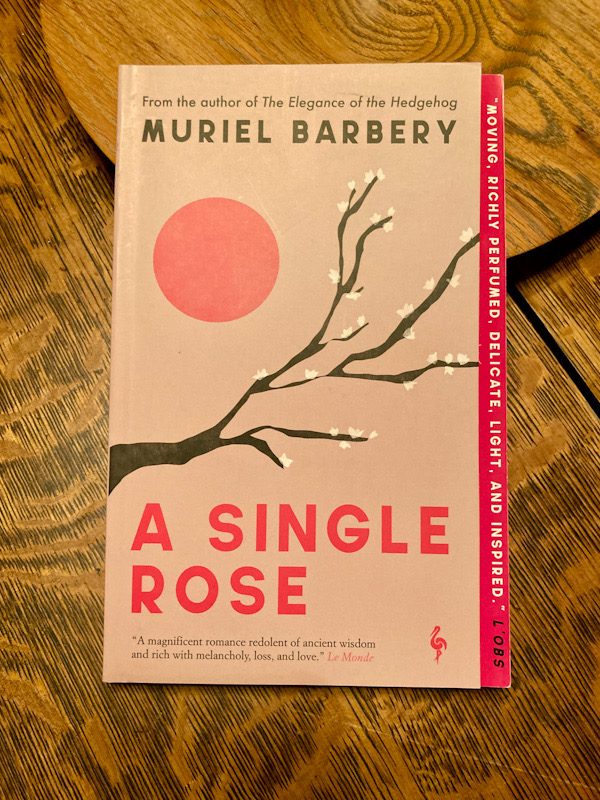
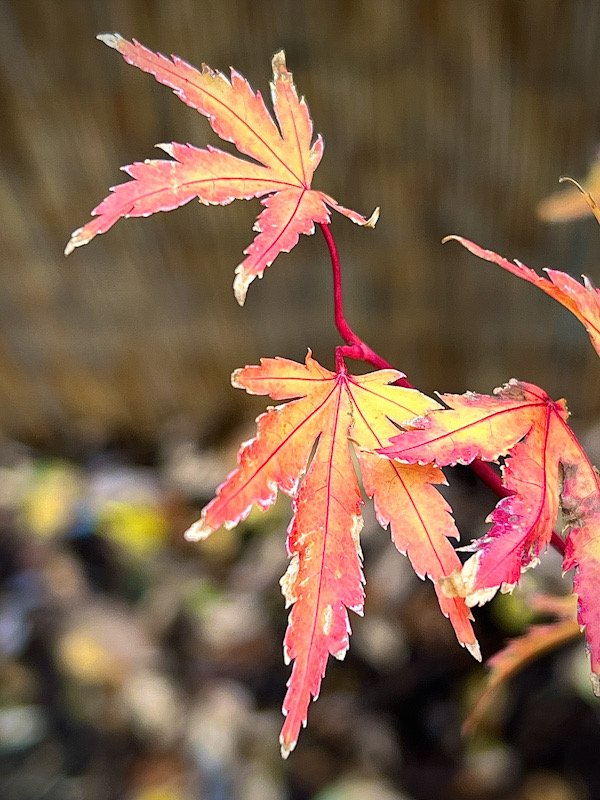
In the inner garden surrounded by wooden galleries, his father pointed to a magnificent maple tree with its flamboyant autumn leaves and said:
“Every mutation can be found within it, it is freer than I am; be the maple and travel within your transformations.”
–Muriel Barbery, A Single Rose
metamorphosis | ˌmedəˈmôrfəsəs |
noun (plural metamorphoses)
A change of the form or nature of a thing or person into a completely different one.
The idea of metamorphosis or transformation has been used as a literary construct from as early as 8 AD with Ovid’s epic classic Metamorphoses, a collection of over 250 sage yet entertaining tales about all kinds of transformations—from humans to animals, animals to humans, and humans to plants, as well as divine transformations, gender transformations, and so on.
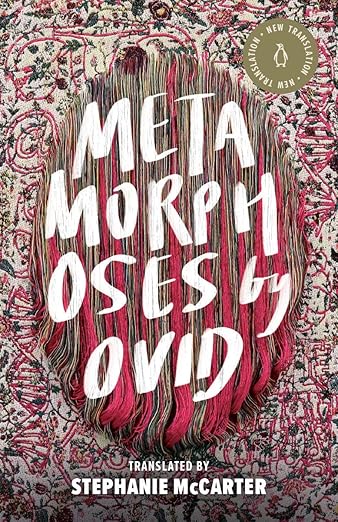
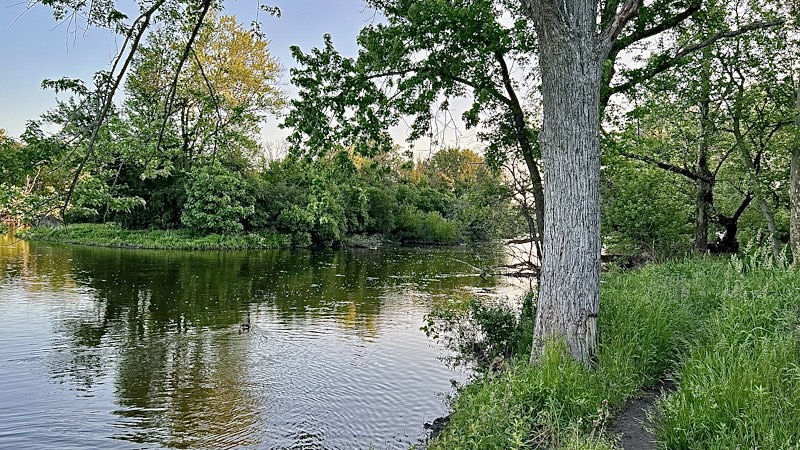
In the final book of Ovid’s Metamorphoses, the nymph Egeria is transformed into a river due to her grief over the death of her husband.
Took mercy on her long-sustaining grief,
Changed what she was into a cooling fountain,
Her tear-stained body an eternal river.
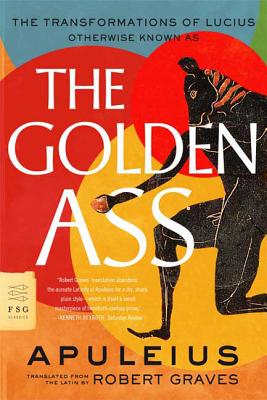
In the second century AD, The Golden Ass by Apuleius, alludes to Ovid’s work, but presents just the single story of Lucius and his adventures after magically being transformed into a donkey, and then, after gaining valuable wisdom, being returned to his human form by the goddess Isis.
In the late 16th century, William Shakespeare’s plays were also widely influenced by Ovid’s work, such as A Midsummer Night’s Dream, Titus Andronicus, and The Tempest. Even Romeo and Juliet was influenced by Ovid’s story of Pyramus and Thisbe.
Those are pearls that were his eyes:
Nothing of him that doth fade,
But doth suffer a sea-change
Into something rich and strange.
-William Shakespeare, The Tempest
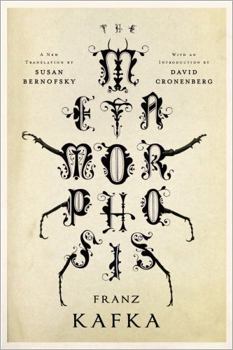
Many of us became familar with the term metamorphosis through Kafka’s twentieth century novella by the same name, however Kafka’s protaganist experiences an incomplete transformation in that he never reaches the regeneration that the characters in other tales undergo.
Change itself is what fascinates me. I am drawn, as a moth to the flame, by edge situations, by situations of metamorphosis.
-Annie Proulx
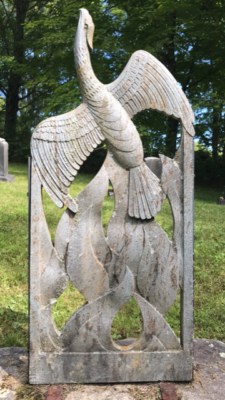
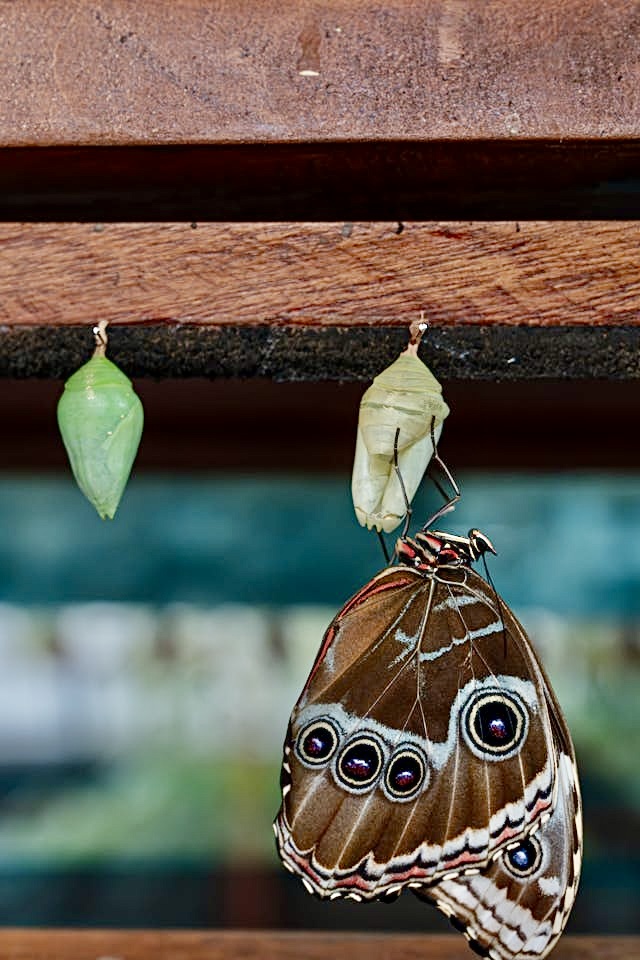
Nature itself is probably the greatest exemplar of metamorphosis and regeneration. Every new season brings us close to the transformative power in the natural world.
The earth-shell cracks with underneath desire;
Spring crawls from the cocoon.
-e. e. cummings
Children’s literature is full of the recurring motif of metamorphosis and transformation.
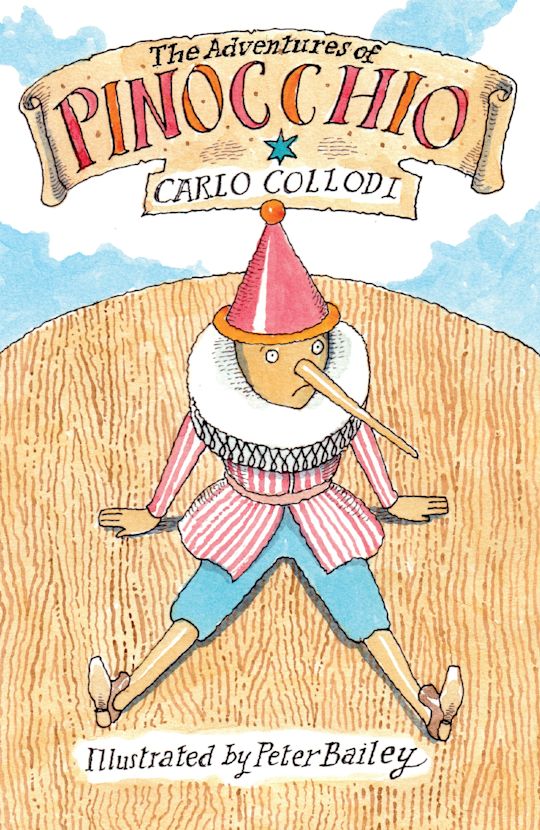
In the familiar story of Pinocchio, there are two different transformations that take place. For a brief time Pinocchio is turned into a donkey before changing back to a puppet, and at the end of the story finally fulfills his wish to become a living boy.
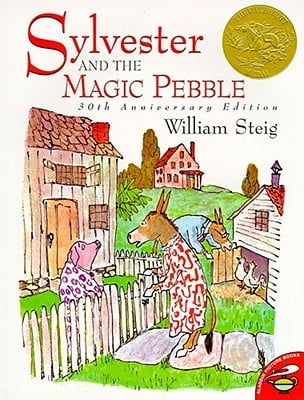
Another delightful example is William Steig’s classic story of Sylvester, a young donkey who discovers a magic pebble that grants his every wish. When he mistakenly wishes to be turned into a rock to escape the attention of a lion, his wish leaves him stranded until his loving parents come in search of him and return Sylvester to his natural state—all the wiser for his adventure.
Everything teaches transition, transference, metamorphosis…
We dive & reappear in new places.
-Ralph Waldo Emerson
In contemporary fiction there are many wonderful examples of characters who experience metamorphosis of one kind or another. Anthony Doerr, in his stunning novel, Cloud Cuckoo Land, peppers the novel with his story of Aethon, who sought to find a witch who would transform him from a simple shepherd to a bird who would be able to fly to a wondrous city in the sky, far from the troubles of men, where all would be riches and no one ever suffered.
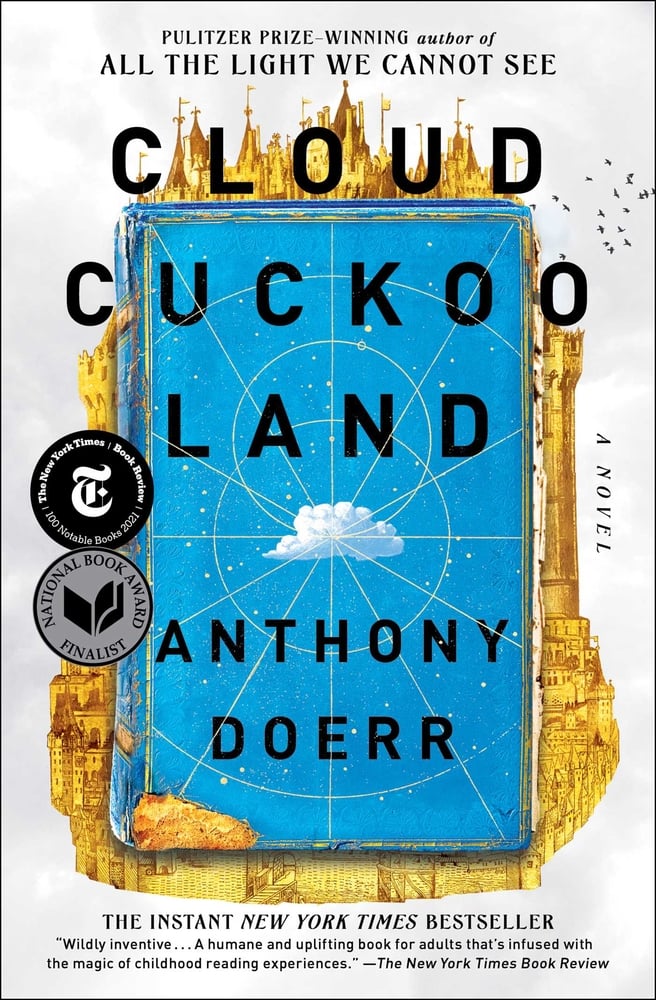
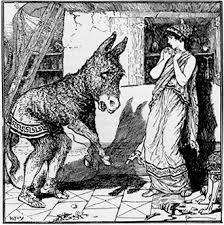
As usual, there are misadventures along the way and rather than transforming into a strong glorious bird, Aethon is turned first into a donkey, then into a fish, and finally into a crow (I’m not sure what it is about donkeys, but they seem to keep popping up in these stories).
Like Lucius in The Golden Ass, Aethon travels far and wide only to be returned to his natural state after having attained the wisdom of the crone:
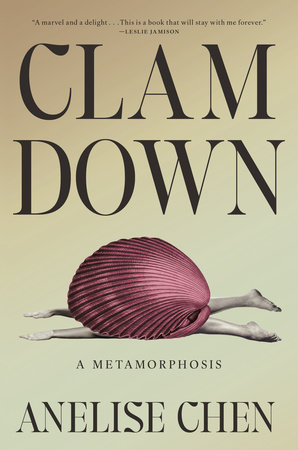
In Anelise Chen’s new memoir, Clam Down: A Metamorphosis, it is interesting to note her allusion to Kafka as she spins out her unique experience of identifying as a clam during a time of self-protective withdrawal after the dissolution of her marriage.
“We’ve all heard the one about waking up as a cockroach—but what if a crisis turned you into a clam?”
“What you have is better than what you so desperately seek.”

Another contemporary author who explores the cultural fantasy of transformation is Rachel Yoder. In her entertaining novel (now also a movie) called Nightbitch, a stay-at-home mom, in absolute domestic frustration, experiences herself being transformed into a wild canine.
“I’d just as soon be pushed by events
to where I belong.”
William Stafford, Parentage
We see throughout literature that metamorphosis can be a difficult and even painful process, however change holds countless hidden charms as well as challenges. There are adventures and mysteries and delights that would have been missed if the protagonist had never begun his or her odyssey. It is an odyssey that cannot insist upon having its own way. Experiences break in and do their transformative work, often unheeding of the demands of the protaganist, and yet what is ultimately wrought is the important transformation to a different life, or form, or a deep revelation.
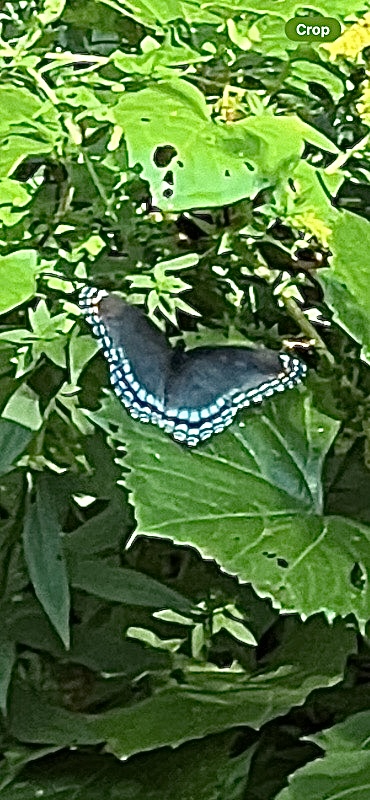
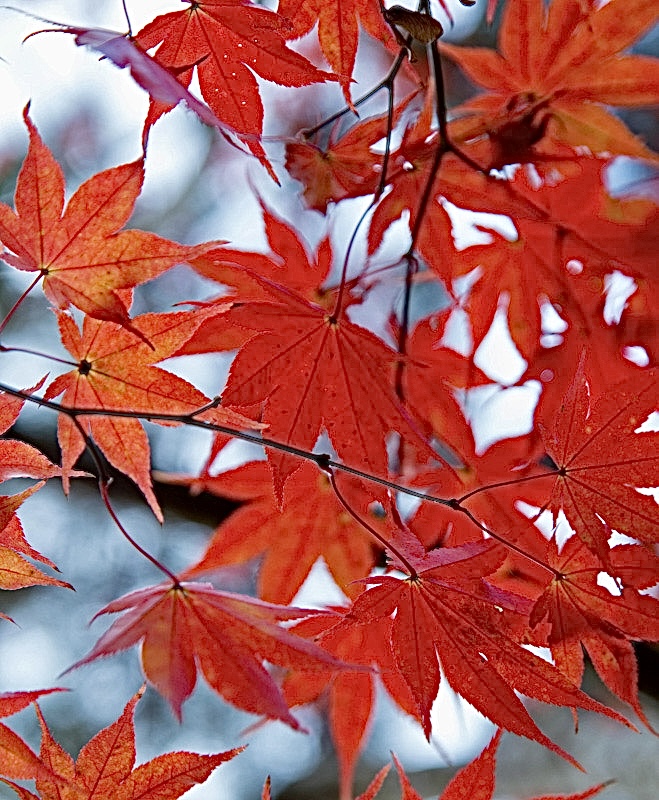
It seems that art, literature, and all of nature are continually encouraging us to welcome metamorphosis as a sign of life itself. Perhaps it is when we recognize and are able to adopt new forms, even as we say good-bye to the old, that we begin to “travel within our transformations.”
Happy Reading!