Gathering Close
People pulling each other into salvation is the only theme I find worthwhile.
–E. M. Forster
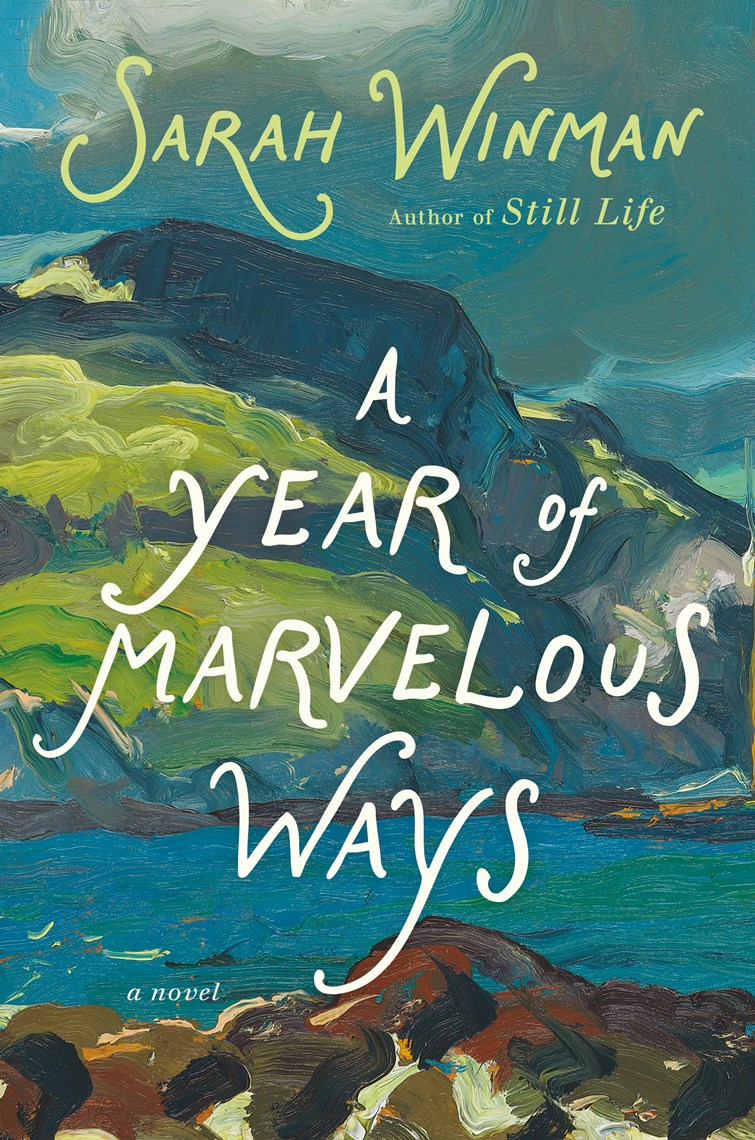
In anticipation of the re-release of British author Sarah Winman’s AYear of Marvelous Ways in the U.S. this summer, as well as the sequel to her acclaimed Still Life scheduled for Spring 2027, it seems like a good time to take a closer look at her full body of work to date.
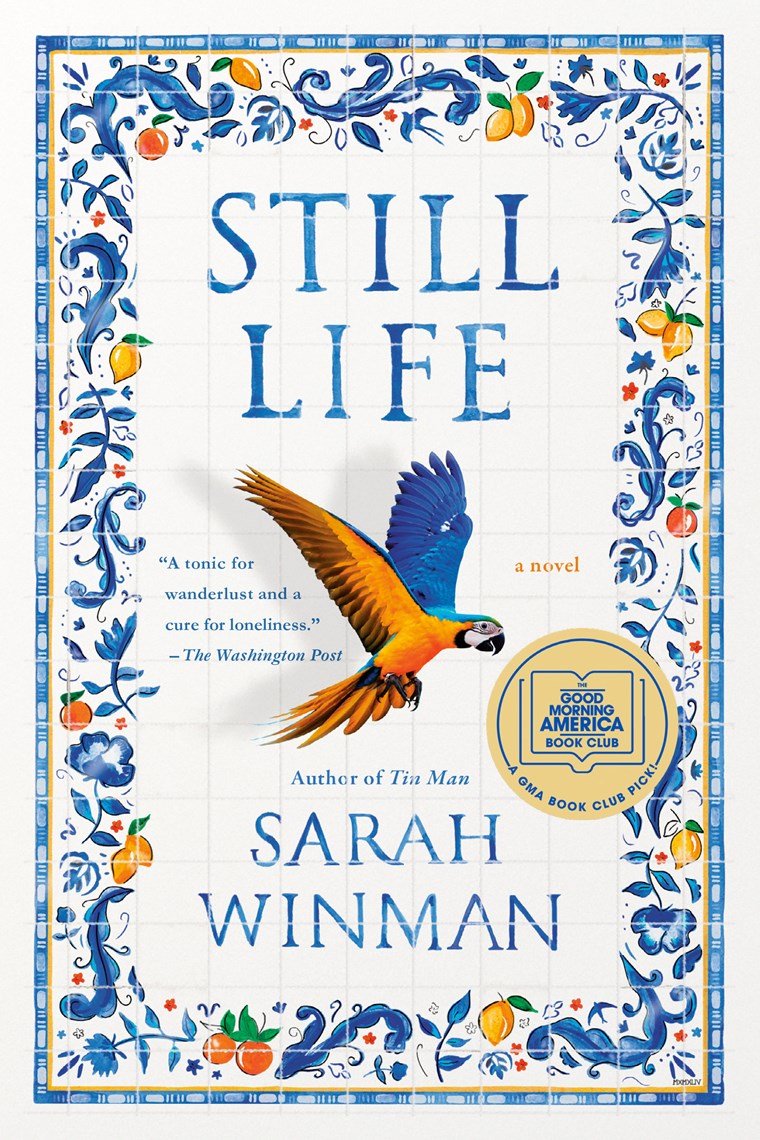
Winman says she wrote Still Life in the wake of Brexit, as a “reprieve from the divisiveness and hatred” going on in her country. She wanted to offer something that would bring “joy and laughter and unity,” and in this she more than succeeded.
And for two hours the wine was poured, the cheese shared, and the two men talked. Of what? Who knows? Of love, of war, of the past. And they listened with hearts instead of ears.
-from Still Life
Her compelling characters cross every strata, from a crass pub owner to an art-loving soldier, to a dreamy genius musician, to a beloved precocious child, and even a Shakespeare-quoting parrot. The power of the narrative comes from the relationships that develop between these characters as they form friendships and fashion a kind of “found family.” It’s appropos that my good friends and colleagues Brian Wraight and Judy Samuels, unbenownst to each other, both brought this author to my attention.
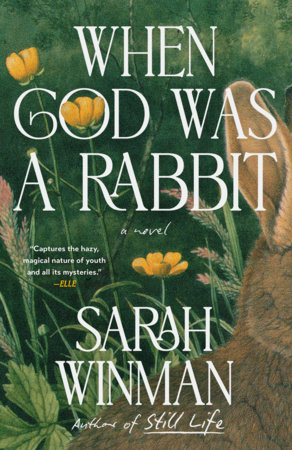
In her debut novel from 2011, When God Was A Rabbit, Winman explores family relationships—especially the unique bond between siblings. She finds the latent humor within even the darker realities of life, and embraces a belief in love and connection which eases the effect of that darkness. Spanning forty years, the novel tells the story of Elly, her eccentric family, her pet rabbit, “god,” and a host of other unconventional characters. (This title re-releases February ’26).
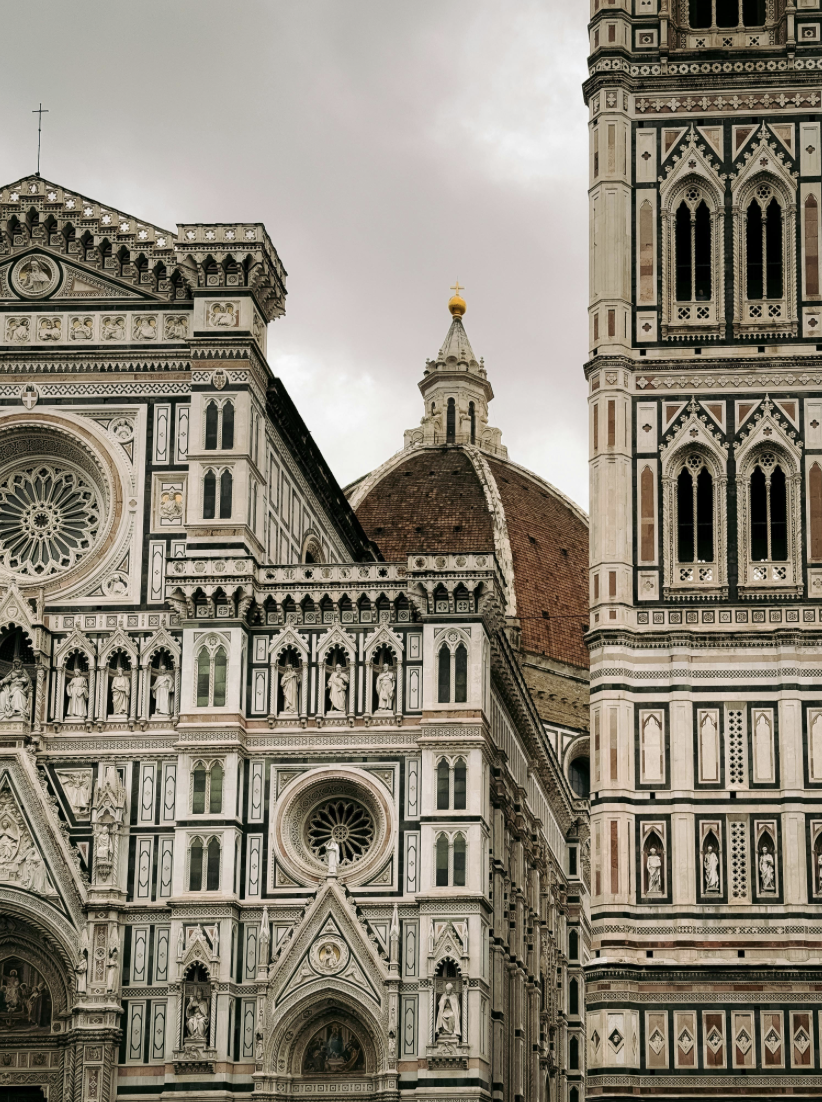
The visual arts form a foundational background throughout Winman’s work. In Still Life one of the protagonists is an art historian and Winman uses that character’s voice to provide a whirlwind tour through some of the great art and architecture of Italy. For art lovers, seeing how she weaves artistic motifs throughout her novels adds further enjoyment.
Beautiful art opens our eyes to the beauty of the world, Ulysses. It repositions our sight and judgement. Captures forever that which is fleeting.
–Sarah Winman, Still Life
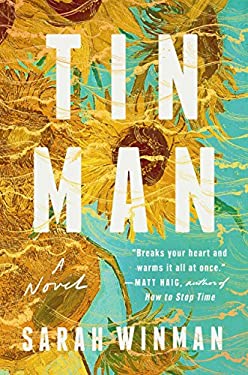
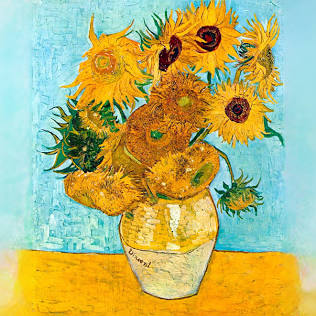
In Tin Man, a reproduction of Van Gogh’s “Sunflowers” finds its way into the hands of a woman who feels trapped in her life and marriage. The painting becomes both a symbolic escape and a mainstay for her. Van Gogh’s life and work haunt the edges of this painfully beautiful little book.
She would suddenly stop in front of that painting, and whatever she was saying or doing at that precise moment came to an abrupt halt in the presence of the colour yellow. It was her solace. Her inspiration and confessional.
-Sarah Winman, Tin Man
But when she had entered the gallery room, the storm shutters around her heart flew open and she knew immediately that this was the life she wanted: Freedom. Possibility. Beauty.
–Sarah Winman, Tin Man
Winman’s work stands out in contrast to the current landscape of dystopian literature. She creates small, unlikely circles of flawed people who nevertheless form utopianesque communities with strong undercurrents of solidarity and mutual attachment. It is often extreme circumstances that lead her characters to forced communal experiences, forging lasting bonds.
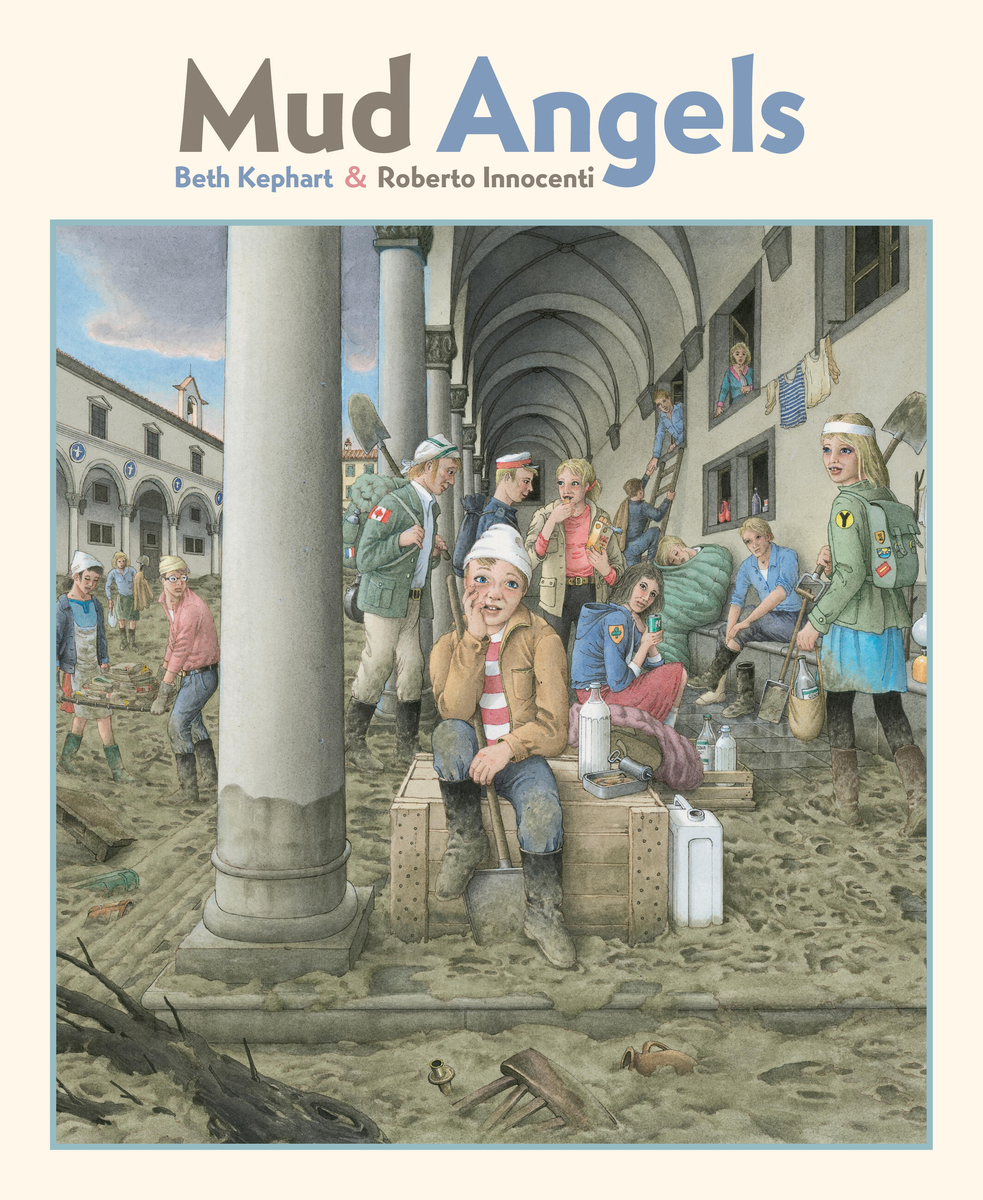
For example, during the horrifying flooding of Florence in 1966, there was an influx of people who arrived to help rescue the city and its art from ruin—“Mud Angels” as they came to be called. Winman uses that historical event as the context for the congregation of many disparate yet resilient, like-minded people in a local pensioneoperated by her protagonist, Ulysses.

It was a ballad, about the young men and women who’d come to the city. About good rising out of need, about love in all its forms, about kindness and looking out for one another.
–from Still Life
This forming of bonds and seeking out community in times of trouble is vividly described by Mia Birdsong in her book How We Show Up. Birdsong recounts the story of about a dozen people living in a neighborhood in New York’s Lower East Side, who in the days following 9/11 started gathering at a neighborhood bar to “process and not process” the emotional and mental horror.
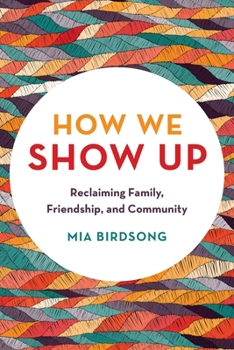
They started thinking of the bar as their living room. The tiny apartments they all occupied did not lend themselves to group hangouts, so they’d go to the bar ‘to watch TV and order food and not be alone.’
-from How We Show Up
Birdsong says that the group maintained its solidity for about five years, and several members of the group married each other and others formed enduring friendships.
Winman’s unabashed portrayal of utopianesque camaraderie reveals an admirable daring in her writing. Bold in her willingness to create such vulnerable, warmhearted, loving characters and imagine them into scenes of, at times, blissful cohesion within a fractured world.
While many writers would fear being pegged as sentimental or naive, Winman embraces the qualities of generosity, tenderness, and empathy shared between her characters. No one is perfect by any stretch of the imagination, but it is within their flaws that acceptance and loyalty come and a sense of community is created.
Watching as her characters look out for each other, look after each other, is perhaps just the tonic we need as readers.
Happy Reading!