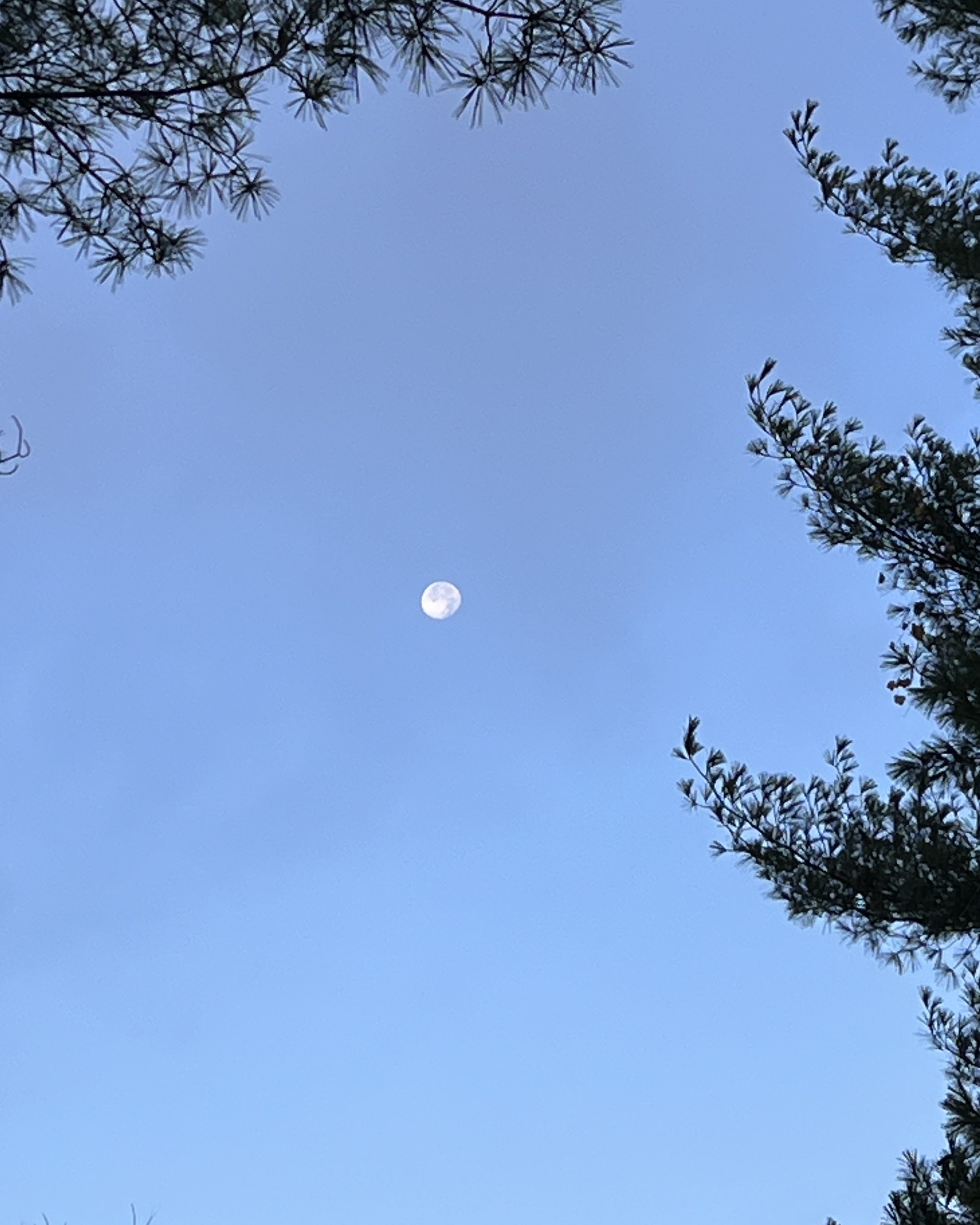
Skies Of Blue
The sky is the daily bread of the eyes.
-Ralph Waldo Emerson
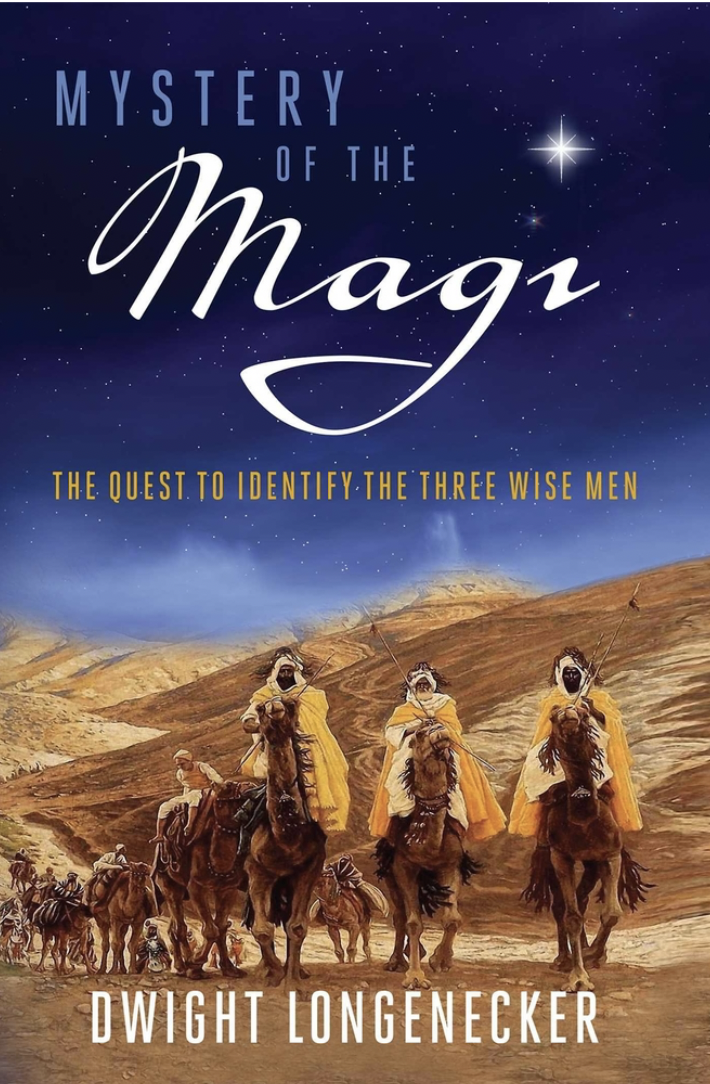
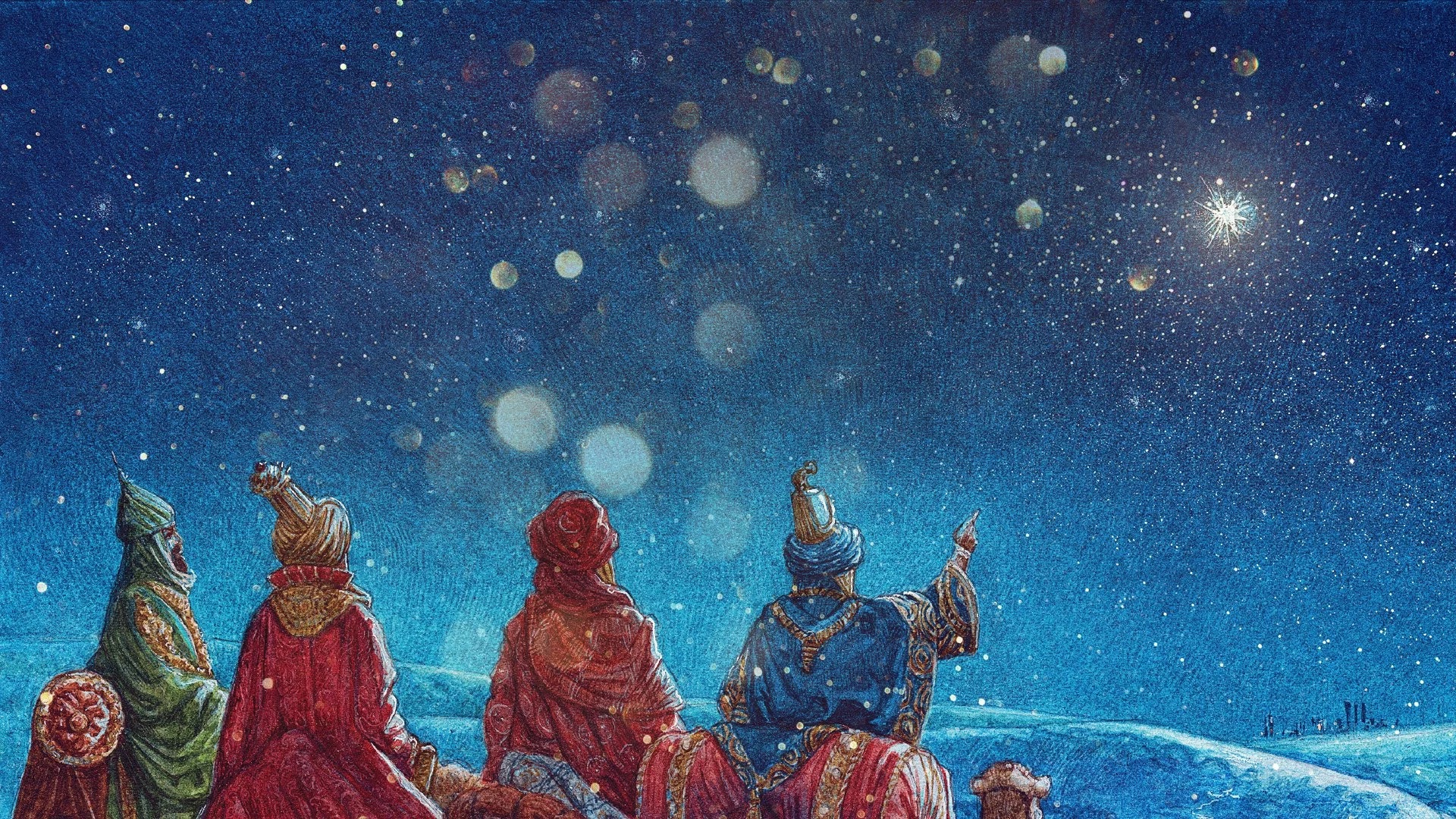
One version of the Nativity story reads that the Magi were Persian astronomers, “sky-watchers” who searched the night skies for significant celestial events, and that they interpreted their discovery of an unusual star to be a sign of a significant event that led them to Bethlehem. What catches my attention in this scenario is their keen observance of the sky, and the vast practice they were a part of, as through the ages people have searched the skies for stories and enlightenment.
Above him there was now nothing but the sky— the lofty sky, not clear yet still immeasurably lofty, with gray clouds gliding slowly across it.
“How quiet, peaceful, and solemn… all is vanity, all falsehood, except that infinite sky.”
-Leo Tolstoy, War and Peace
It seems we have always been watching the sky for signs and wonders, both natural and mythical—from the basic elements of weather and clouds, to the age-old wonder of the night sky and constellations. There are countless records of the musings of poets, artists, philosophers, and naturalists as they are absorbed in the mystery and vastness of the firmament.
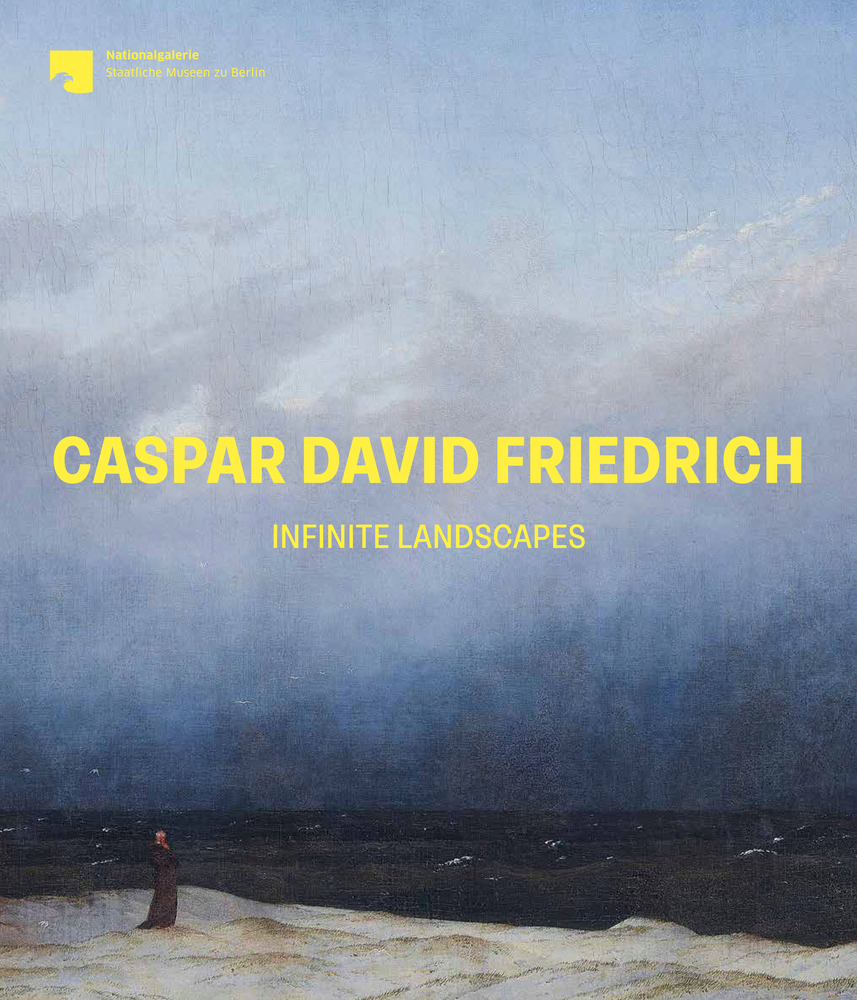
Visual artists have long been captivated by the sky’s luminosity, and those like J.M.W. Turner, John Constable, Camille Pissarro, and Caspar David Friedrich, just to name a few, are known for making skyscapes a theme of much of their work. The contemplation of color and mood, and bringing the subtle range of celestial hues to the canvas requires unique mastery.
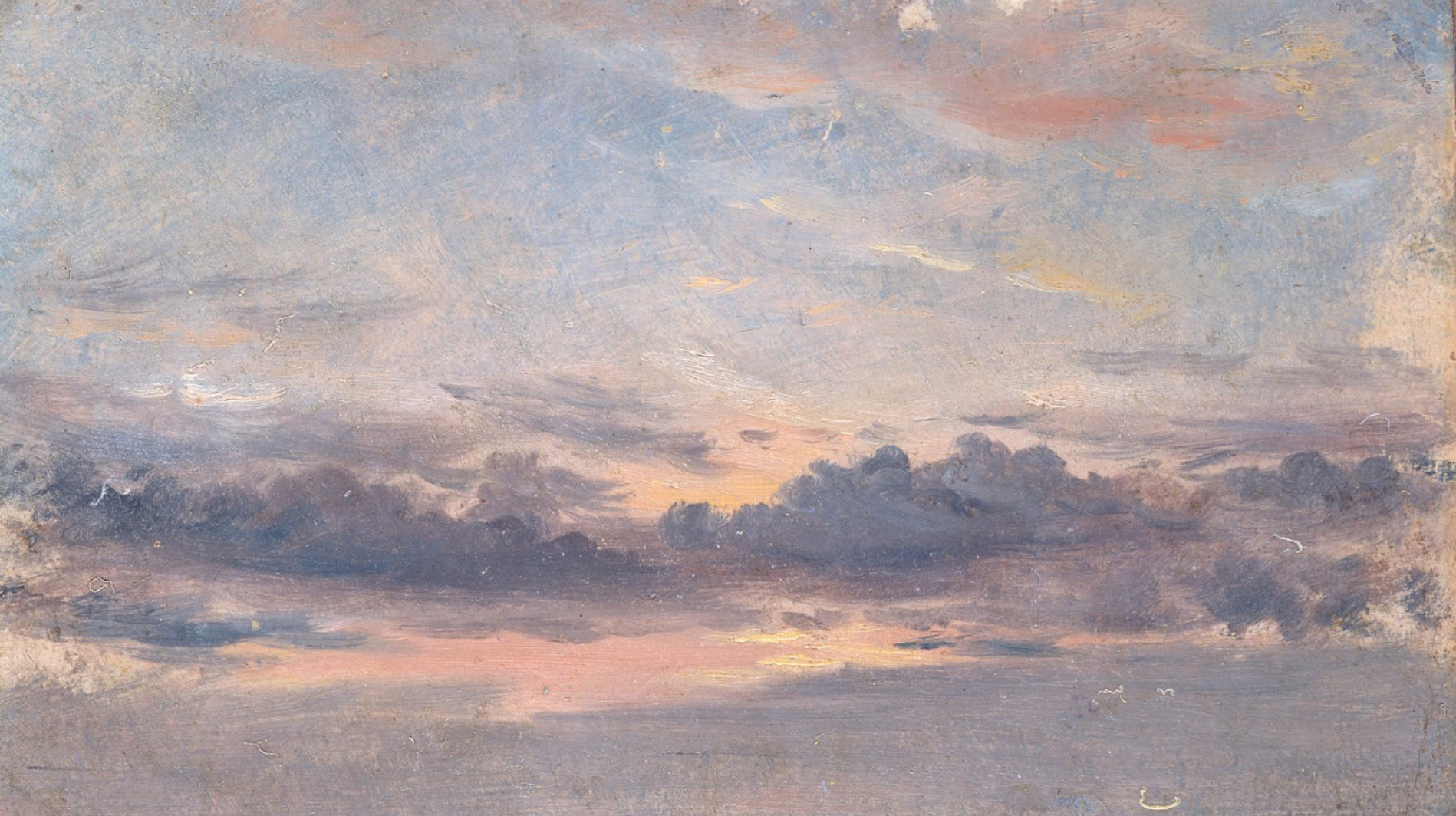
John Constable - A Cloud Study, Sunset
There is one spectacle grander than the sea, that is the sky; there is one spectacle grander than the sky, that is the interior of the soul.
-Victor Hugo, Les Misérables
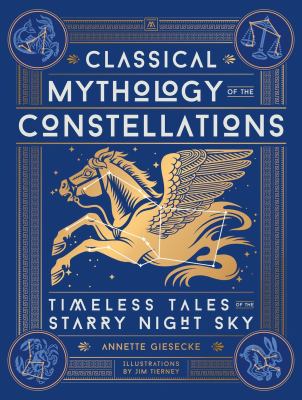
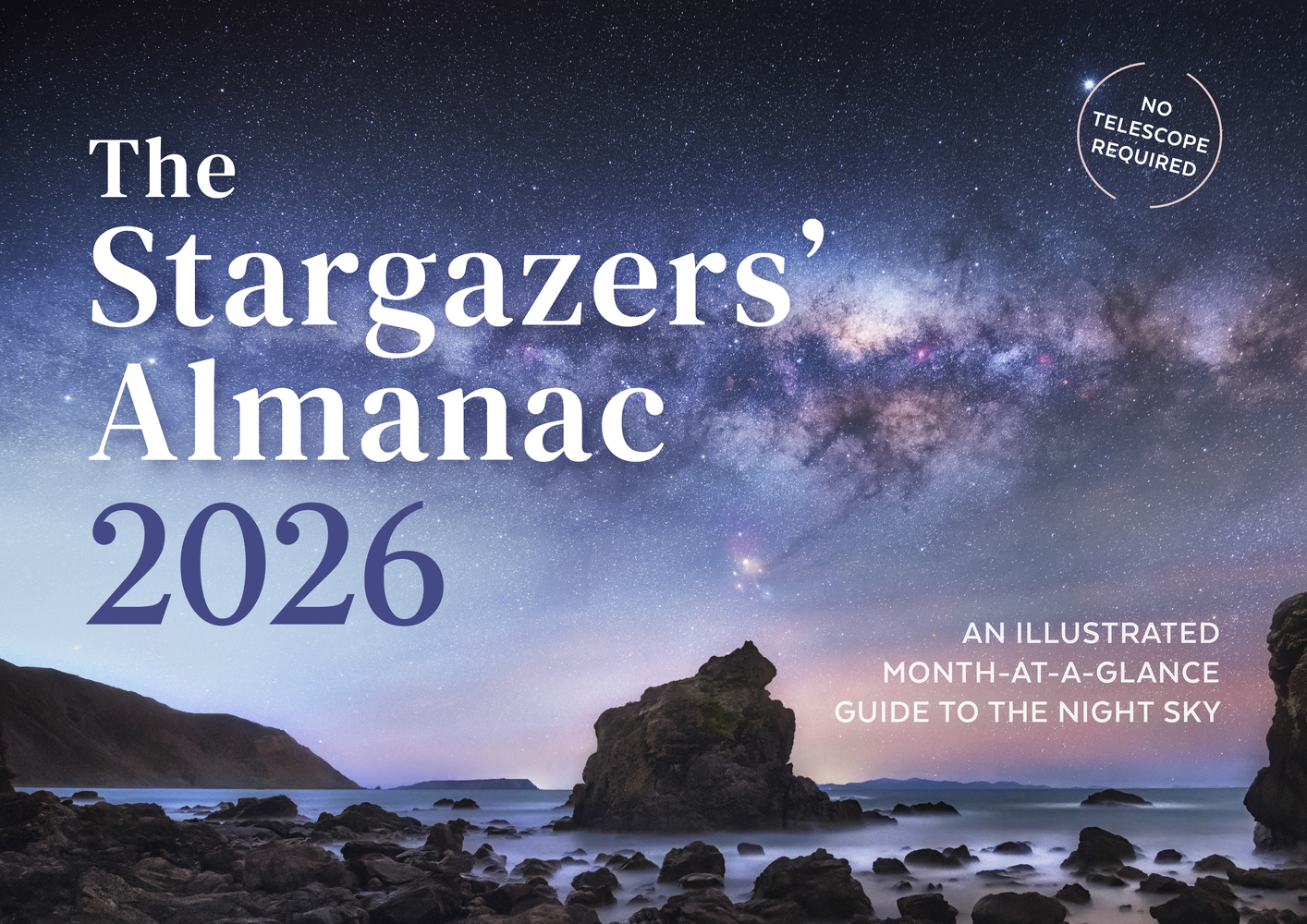
As light changes to dark, other aspects of the sky are revealed in the constellations of the stars and the alignment of planets, and with them, the mythologies of the night canopy. There are endless ancient and contemporary accounts of mythological characters and stories based in the astrological configurations of the night sky.
And of course, long before we gained scientific knowledge of the moon and other aspects of the universe, we dreamed up all kinds of creative narratives.
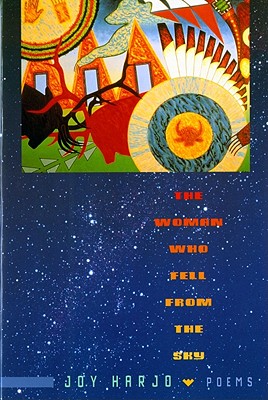
Poets often revel in the enigmatic aspect of the sky, as seen in this beautiful excerpt from Native American poet Joy Harjo:
The woman who fell from the sky was the girl with skinned knees whose spirit knew how to climb to the stars.
Once she told him the stars spoke a language akin to the plains of her home, a language like rocks.
-Joy Harjo, The Woman Who Fell From The Sky
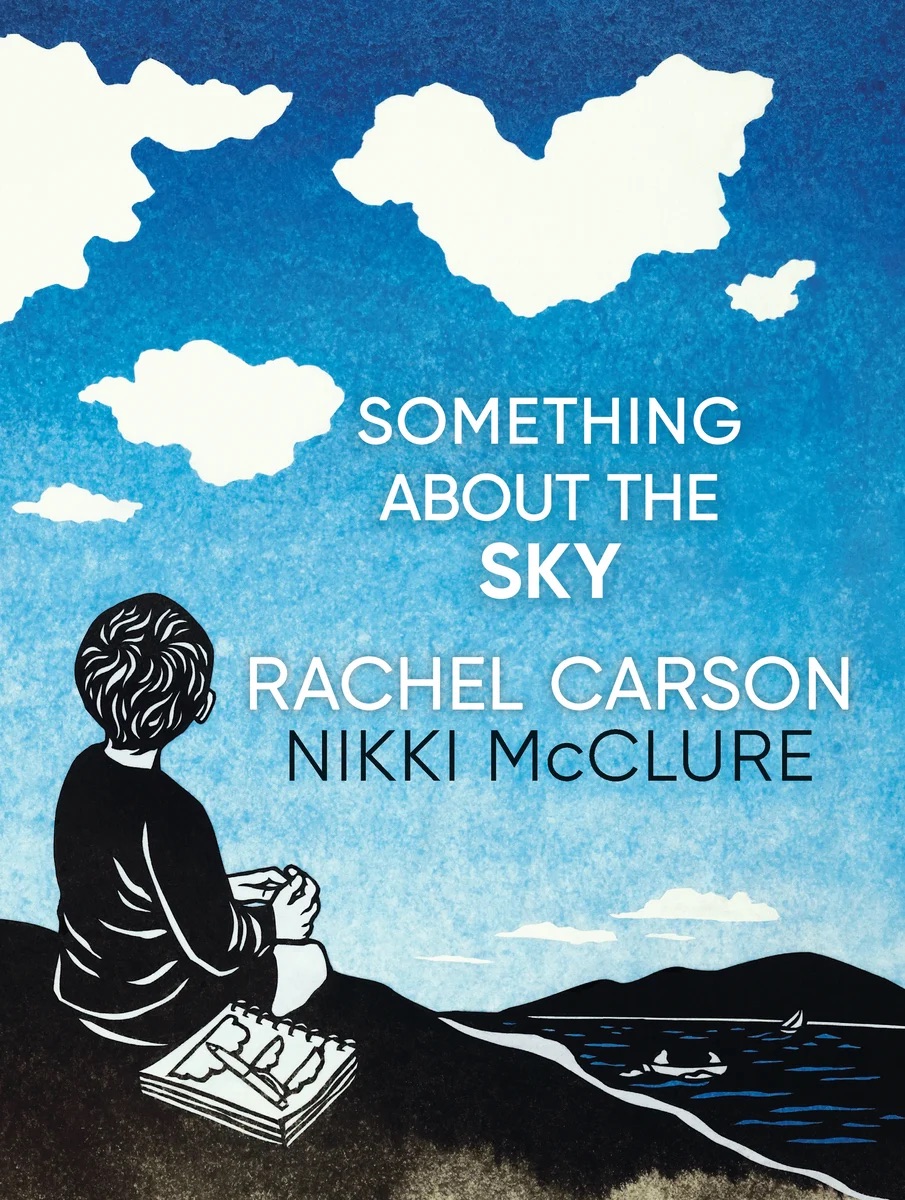
There are countless books available for kids about the basics of the sky, clouds, and stars, as well as many stories that celebrate the deep fascination and contemplative relationship we have with the sky when when we are young. Rather than instructing children to “get their heads out of the clouds,” we might happily join them in their life-giving playfulness.
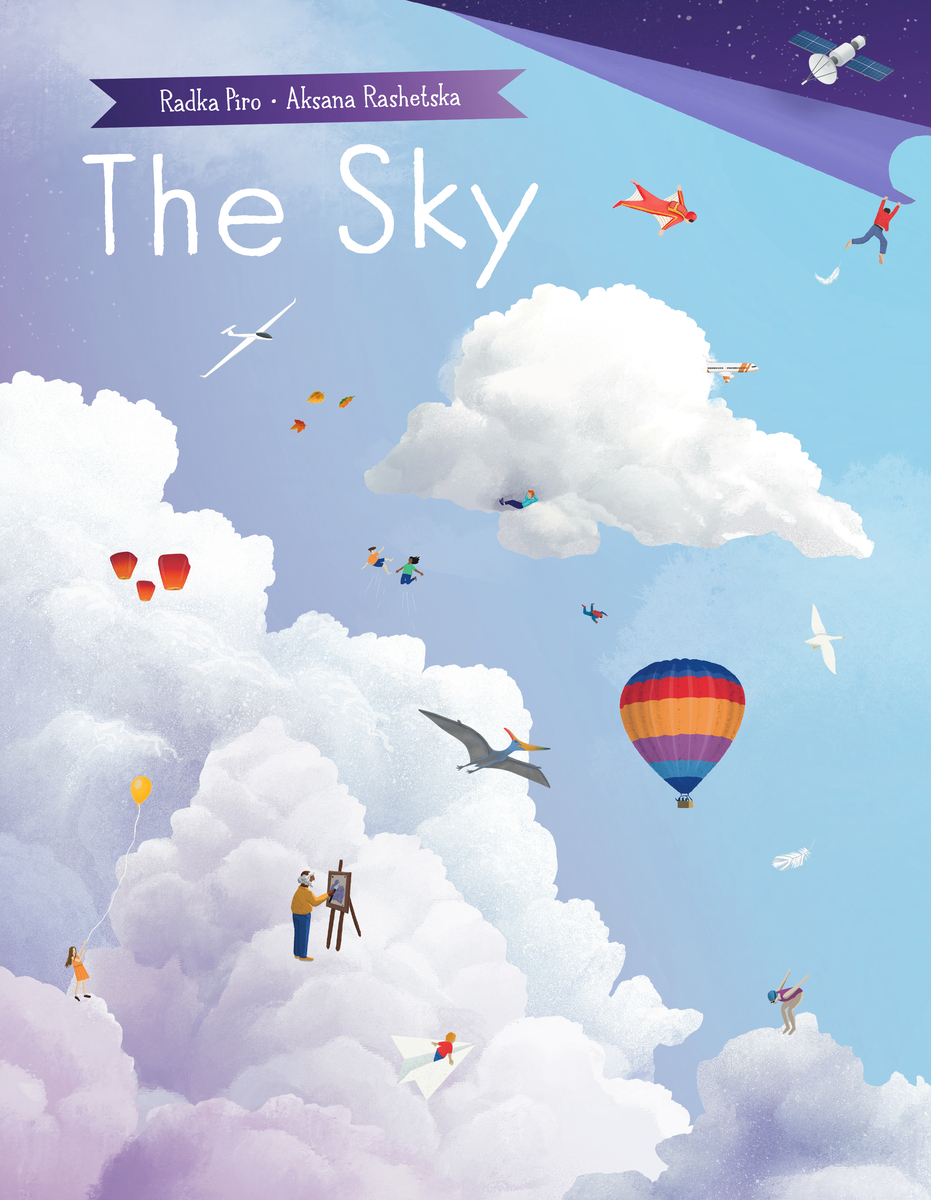
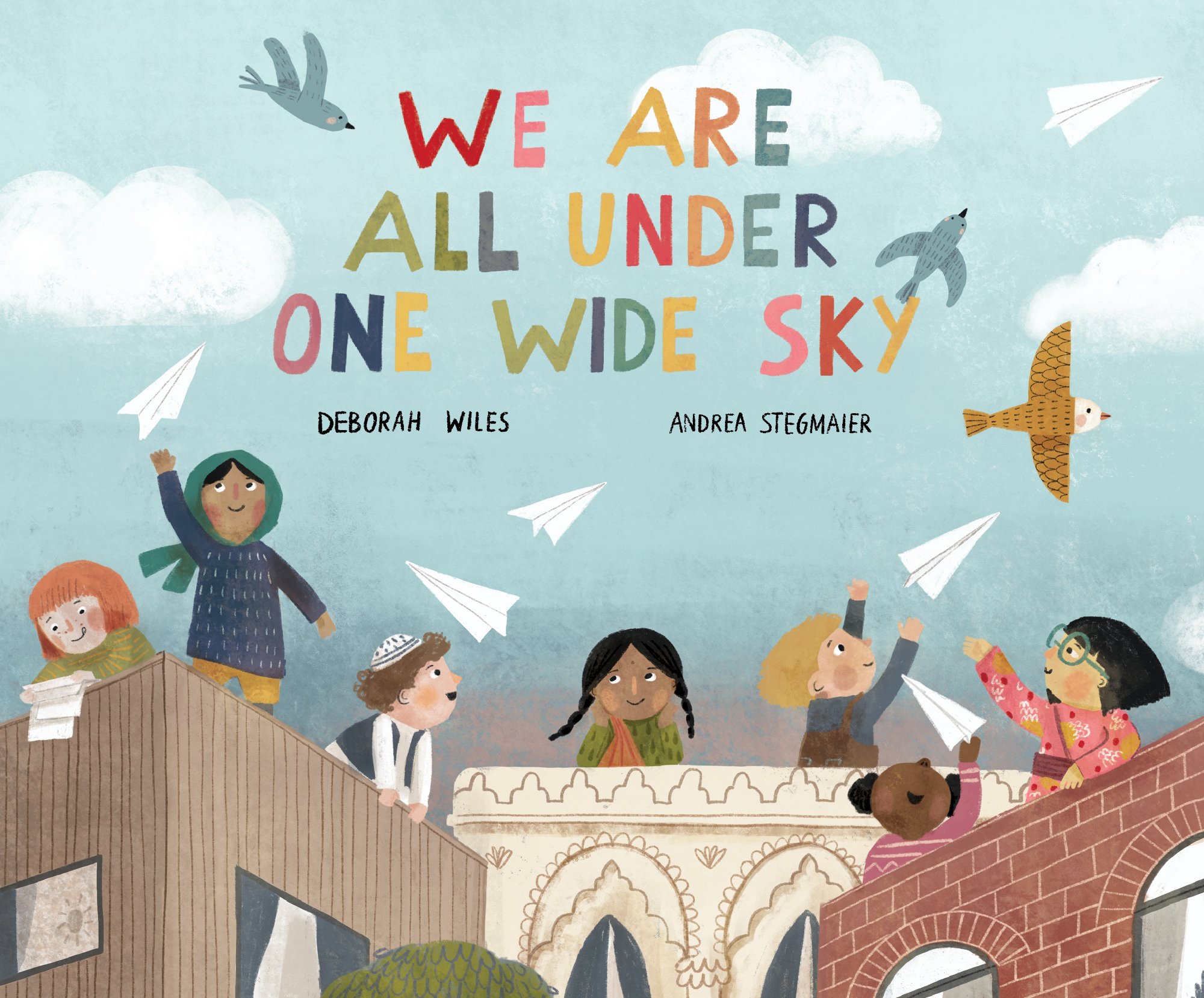
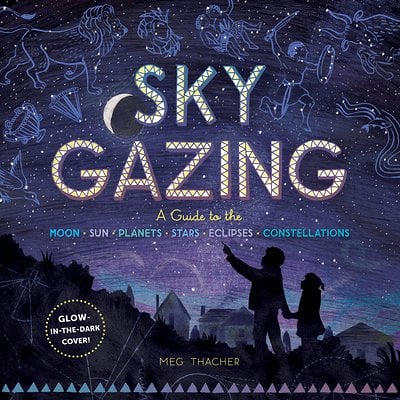
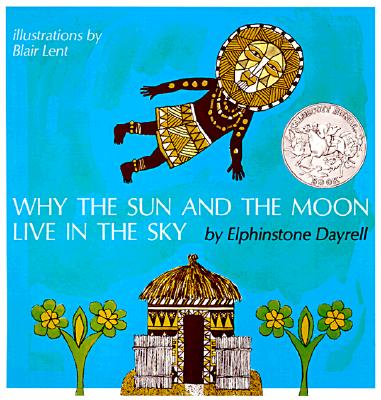
You rule all the land. And you rule all the people.
But even kings can’t rule the sky.
-Dr. Seuss, Bartholomew and the Oobleck
In her iconic series of books for children, Laura Ingalls Wilder wrote about the vastness of the sky in her autobiographical account of traveling across the prairie in the 1870s and 1880s.
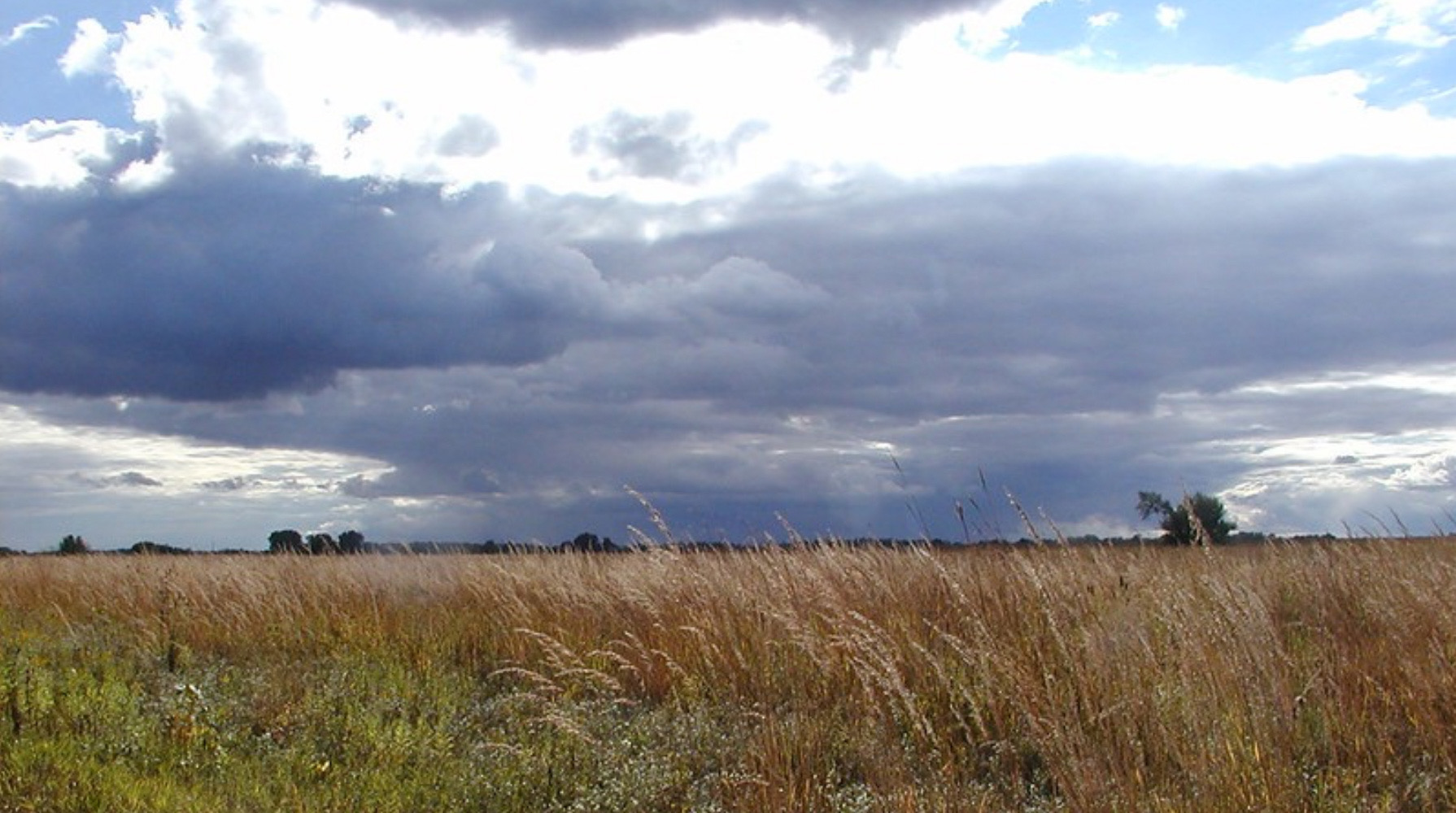
Those of us who live in the Midwest can attest to the daily beauty of unfettered skies over the open prairie.
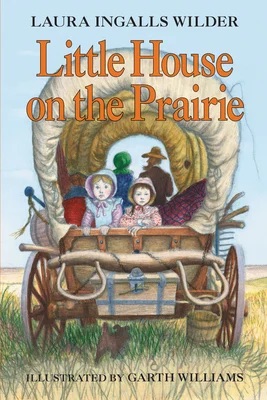
She liked the enormous sky and the winds, and the land that you couldn’t see to the end of.
Everything was so free and big and splendid.
-Laura Ingalls Wilder, Little House on the Prairie
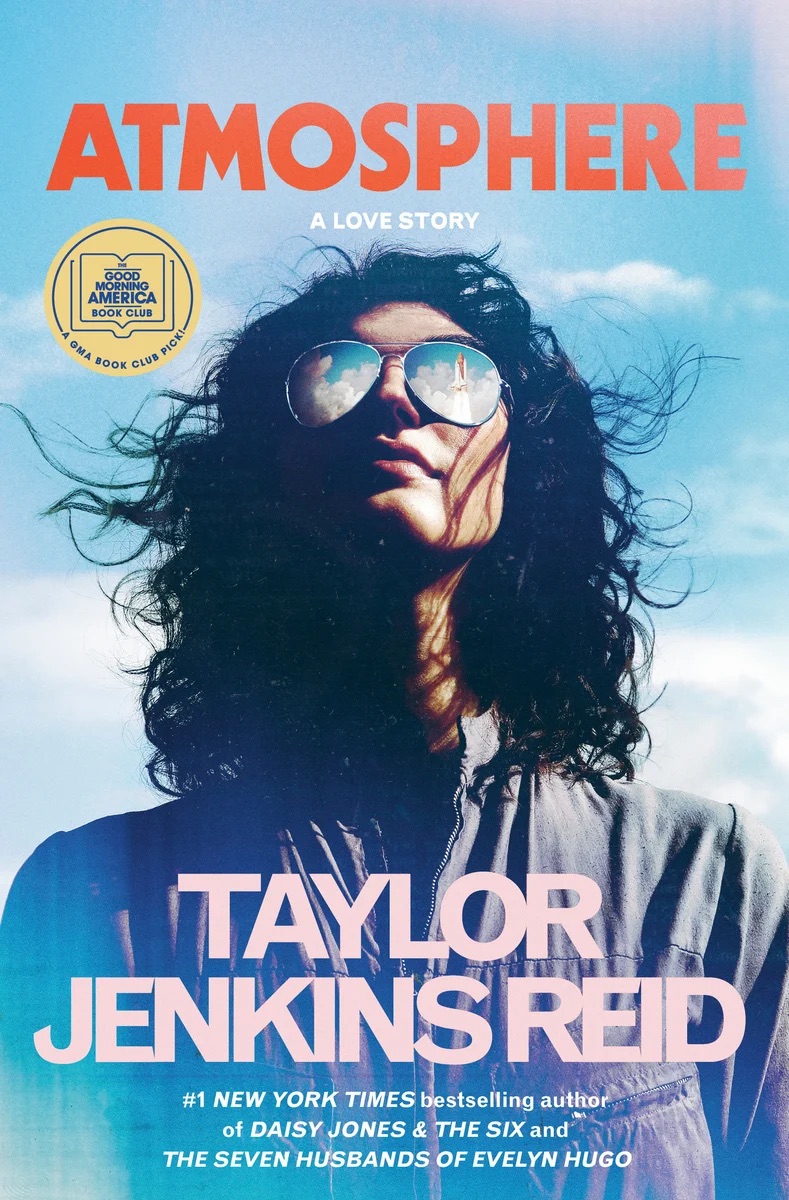
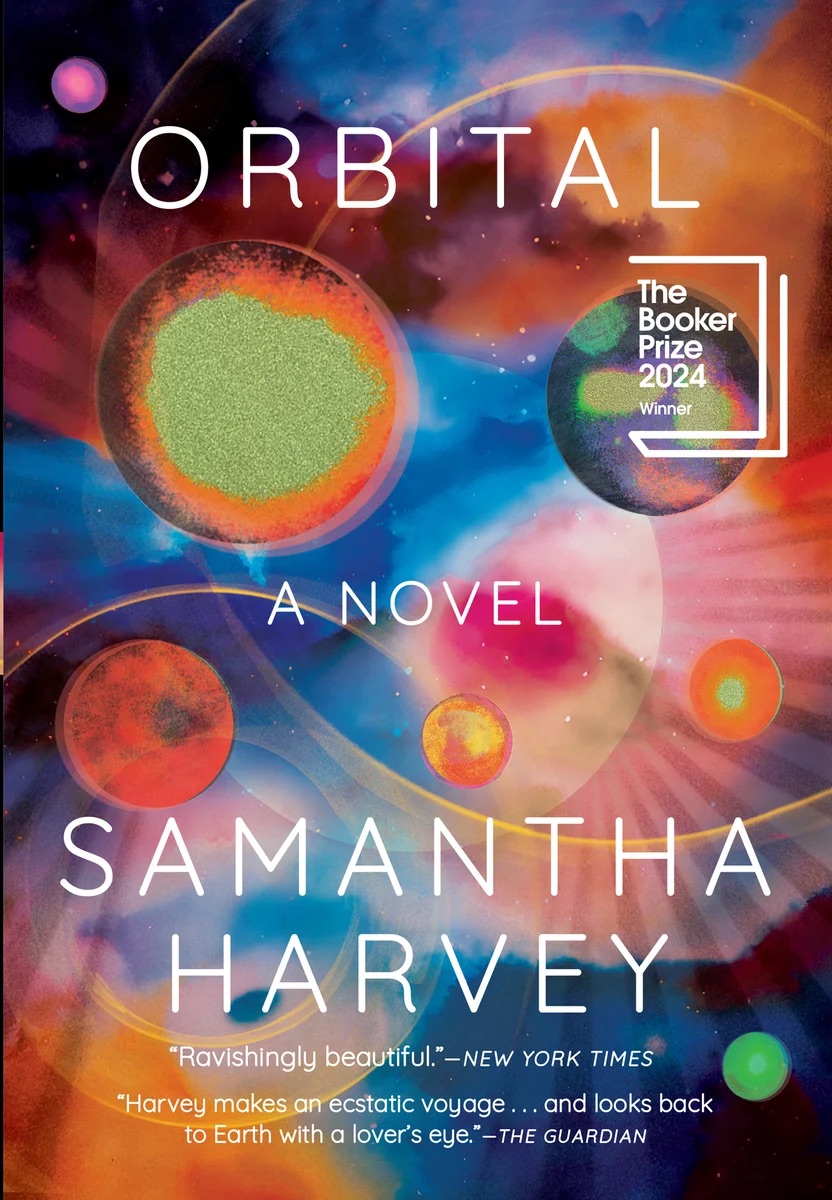
Space travel is one of the ultimate explorations of the skies. Two new and notable contemporary novels, Atmosphere and Orbital, reveal characters who choose to take their pondering of the stratosphere to new heights as they follow their passion and curiosity into the rigors of space travel.
Orbital gives us a profound perspective of the earth from the six men and women circling the earth aboard a space station. They are caught up in the wonder of it, the pure awe and elation of such visceral visual revelation—of being in the sky after a lifetime of viewing the sky from earth.
Fresh perspective is given, as when one leaves the shore and looks back at the familiar landscape from the center of the lake or river. Such new perspective resets our psyche—a sense of wonder eclipses the worries of the day. Awe and anxiety simply cannot coexist.
New generations grew to maturity wholly ignorant of the sky that had transfixed their ancestors and that had stimulated the modern age of science and technology. Without even noticing, just as astronomy entered a golden age most people cut themselves off from the sky, a cosmic isolationism that ended only with the dawn of space exploration.
-Carl Sagan, Contact
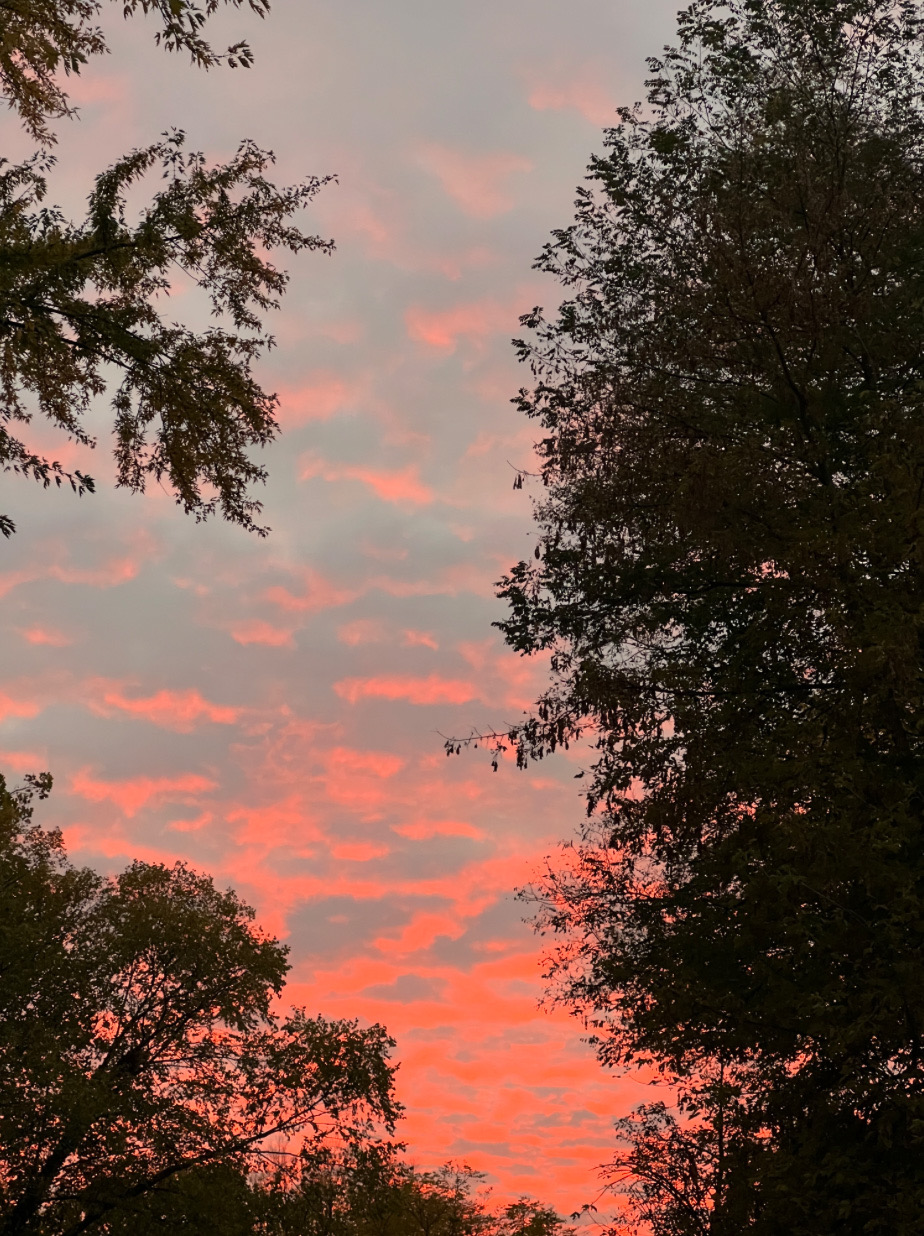
Thoreau observed that while many people rush to see the latest man-made phenomenon, there is “a panorama in the sky which few go out to see.”
We always have the splendor of the skies. Even if we can’t find our way to the solace and renewal of a river or lake or the sea, we can step outside and just look up. We never have to travel far. There is a daily light show waiting for us every dawn and dusk, and a myriad of interesting exhibitions all through the day, not to mention the beguiling constellations of the night.
So whether you’re out under an azure sky or engrossed in a book about the mysteries of the stratosphere, we wish you open air joy and awe this season.
Happy Reading!